Teacher Buy-in: Key to Education Reform
India has never lacked ambitious education policies. Multiple policies have been put in place to address the system’s inadequacies. However, these well-conceived programs repeatedly fail to translate into improved student learning. The problem is not in the policies themselves but in their implementation, and at the heart of this implementation crisis stands an overlooked reality: teacher motivation and acceptance are essential for the success of any education program.
For performing any job, an individual needs (a) ability, (b) intent. The Vinoba program focuses on strengthening teachers’ intent. It assumes that teachers in government schools are well qualified, and if they are motivated, they will find a way to do new things.
The Dearth of Motivation among Teachers
Research demonstrates a direct connection between teacher motivation and student learning. More motivated teachers are found to engage more with professional learning opportunities and use a broader range of teaching practices. They are also more able to motivate their students to enjoy their time in the classroom. In contrast, lower levels of teacher motivation are associated with teacher behaviours and classroom practices which make it harder for students to learn, including teacher absence from lessons. In Andhra Pradesh, teacher absence from lessons is strongly associated with lower levels of learning in maths and English among secondary school students.
Why New Initiatives Fail Without Teacher Buy-In
The success of any new initiative fundamentally hinges on teacher acceptance and engagement. The Continuous and Comprehensive Evaluation program is a good example of this. The program, which was sound on paper, was found to have had no significant effects on test scores. Though a majority of teachers were mandated to attend CCE training, only about one-third could show completed evaluation sheets during random visits. More critically, the program led to no changes in how evaluation data was used or in recommended teaching practices.
Key Drivers of Motivation
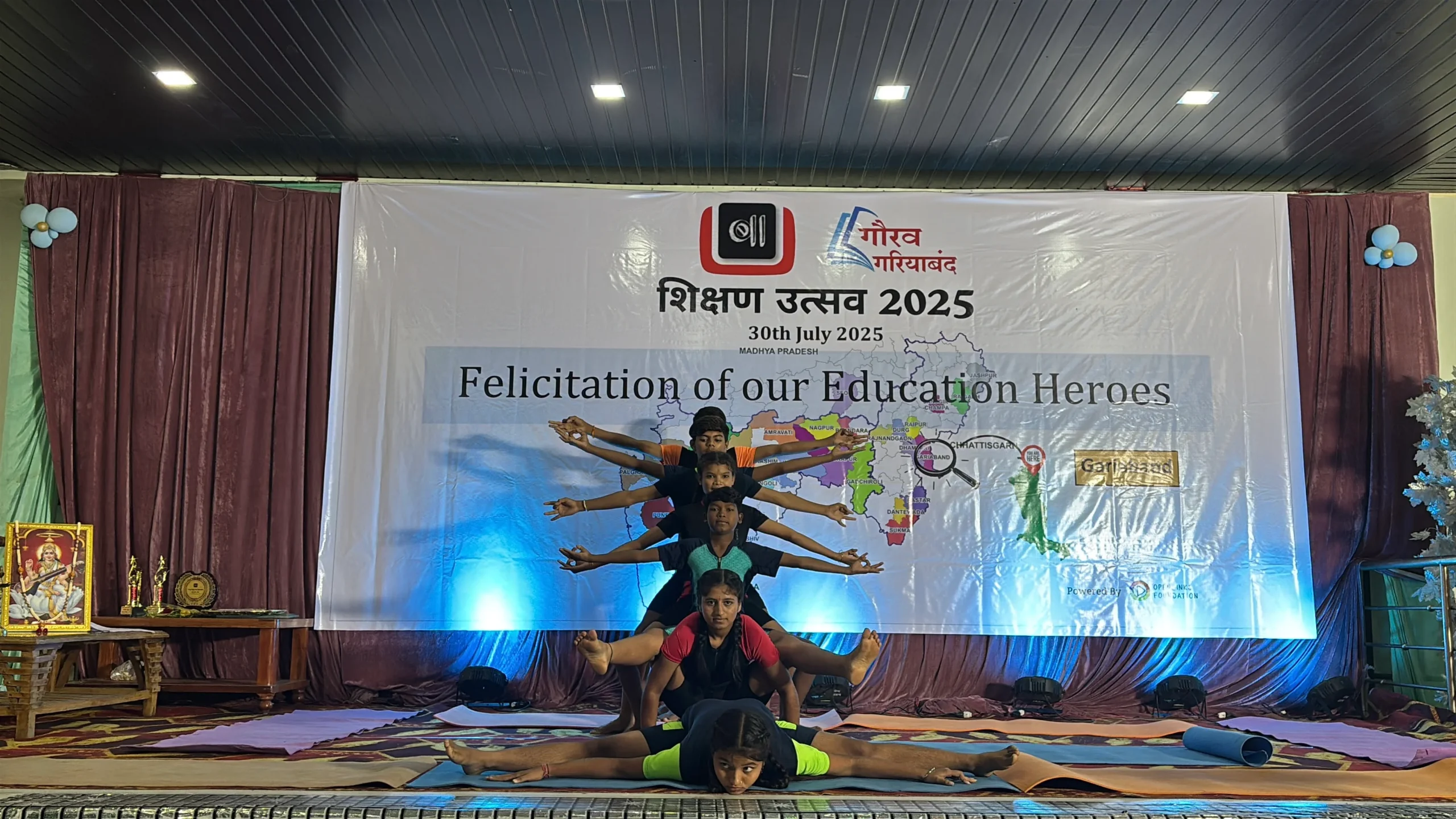
Every individual wants to do good, purposeful work. They want to feel self-satisfaction. Beyond this, they want to be recognised. While working, people need some guidance. This is like a Yoga teacher who helps you to exercise.
There are three pillars of motivation:
- Achievement motivation
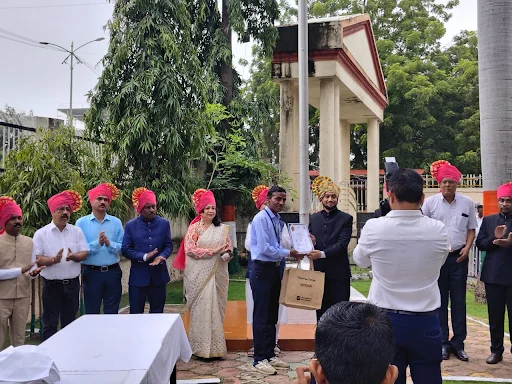
- Recognition
- Guidance and supervision
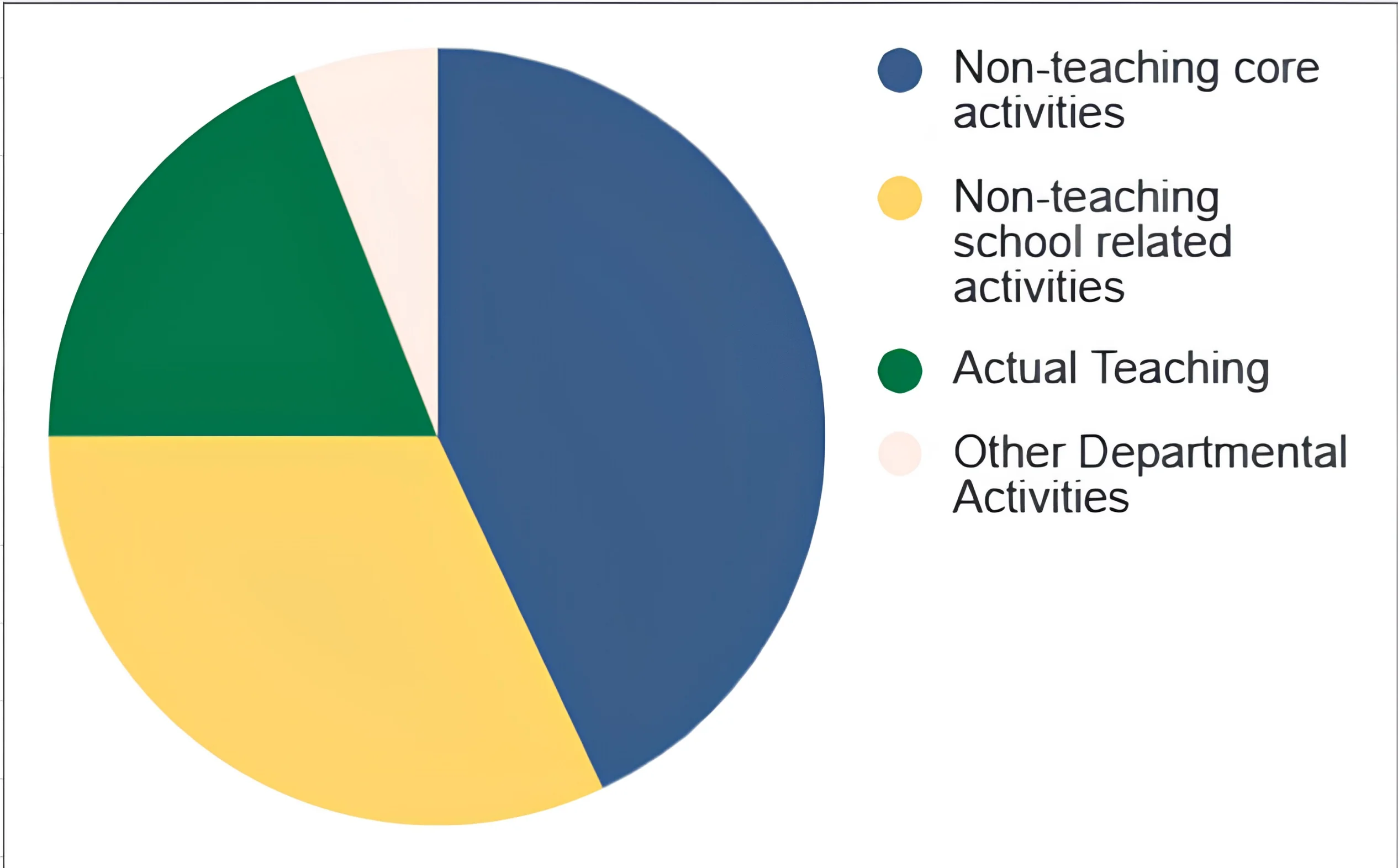
When teachers in government schools are involved in a significant amount of non-teaching activity, it demotivates them. They lose their purpose. If the work is menial and repetitive, it further creates disenchantment.
Teachers have to handle a large number of administrative tasks. Despite a Supreme Court directive for teachers not to engage in non-teaching assignments, teachers have to handle approximately fifteen non-teaching tasks monthly, including student data uploads, government initiatives, and administrative duties. In some cases, actual classroom teaching takes place only for 19% of the prescribed time.
Further adding to this burden is a profound recognition gap. There are very few avenues for regular teacher recognition in the government. Over 60 per cent of teachers in private schools report feeling undervalued or overworked.
Programs also receive limited guidance and monitoring during field implementation. Outcomes and progress are rarely measured, and when challenges arise, responsibility is disproportionately attributed to teachers.
All this leads to a poor working environment and low teacher motivation.
Vinoba’s Role
The Vinoba program aims to strengthen the motivation of teachers by
- Putting focus on achievements and achievement motivation
- Recognition
- Guidance and monitoring