Why Technology is Essential to Incorporate Change
India’s school education system operates at a scale that makes traditional solutions ineffective. According to the UDISE Survey 2023-24, the system serves 24.8 crore students across 14.72 lakh schools, supported by 98 lakh teachers. To put this in perspective, India educates more students than the entire population of Brazil.
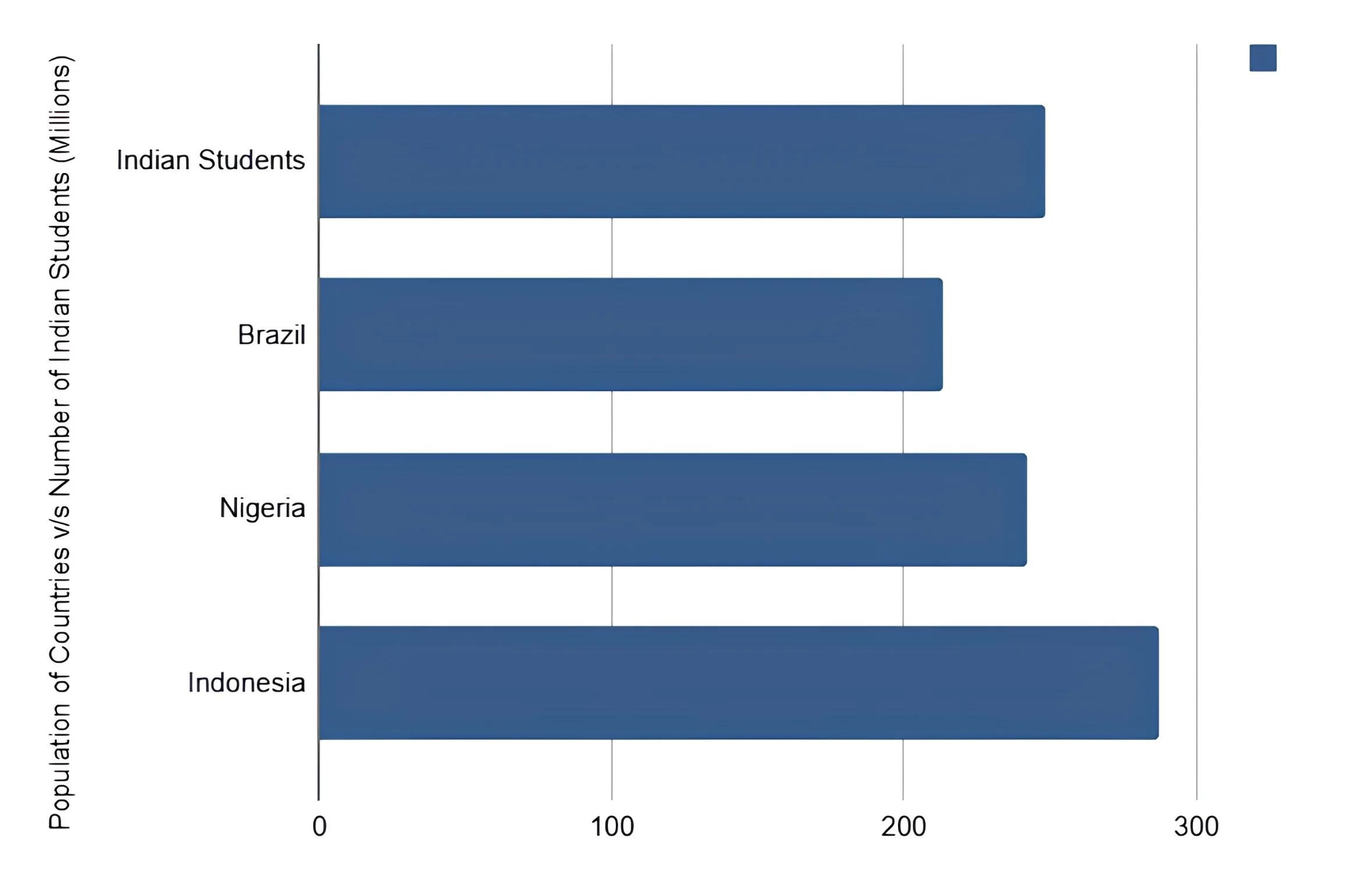
At this scale, traditional approaches fail. What works for 1,000 schools cannot simply be replicated 1,472 times, nor can a teacher training program for 10,000 teachers be scaled 980-fold without reimagining delivery. The mathematics of scale demands a fundamentally different approach.
The Challenge of Geography
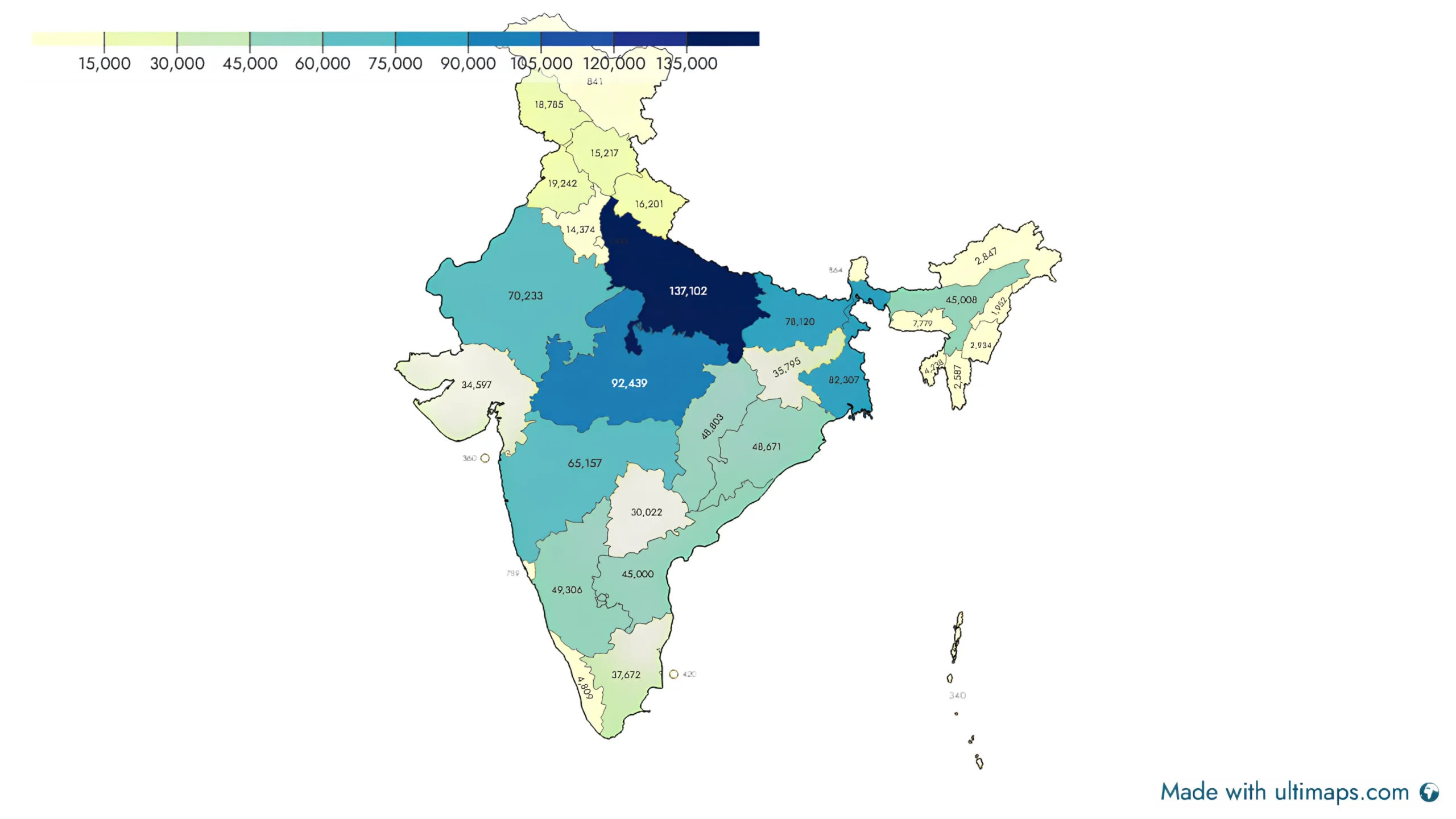
India’s 14.72 lakh schools are not neatly clustered in accessible locations. They are scattered across one of the most geographically diverse nations on Earth. According to a recent study on rural education in India, approximately 84.71% of all schools are located in rural areas. These schools serve children in remote villages, tribal areas, mountainous regions, island territories, and desert landscapes.
The challenge is not just establishing a structure in these areas once. It is maintaining consistent quality, delivering regular professional development to teachers, ensuring curriculum updates reach every classroom, and providing specialised instruction in subjects where local expertise may not exist.
The Curriculum Challenge
The National Education Policy 2020 envisions a fundamentally different kind of education for Indian children. It is not simply about reading, writing, and arithmetic anymore. NEP 2020 calls for holistic development across multiple dimensions.
According to the policy, students must develop competencies across a vast spectrum. This includes scientific temper and evidence-based thinking, creativity and innovation, arts and aesthetics, oral and written communication, collaboration and teamwork, problem-solving and logical reasoning and other areas. Additionally, NEP 2020 mandates that students have exposure to subjects in arts and crafts and vocational skills alongside traditional academic subjects, with no rigid separation between curricular, extracurricular, arts, sciences, or vocational streams.
Implementing this standard across all schools by normal means becomes a herculean task. Implementing programs with 98 lakh teachers with support and feedback across the country is a steep mountain to climb. Expecting every school to organise life skills programs for all its students, providing physical assistance with such tasks as needed across the wide variety of geographies, is a significant challenge.
The traditional answer to implementing such policies would be to hire more specialised teachers, build more workshops and laboratories and develop more physical resources. But at India’s scale, this approach runs into impossible constraints. There aren’t enough specialised teachers to go around. The cost of building and maintaining specialised infrastructure for 14.72 lakh schools is prohibitive. The logistics of training 98 lakh teachers in dozens of new competencies through in-person programs would take decades.
Technology provides the only feasible path forward. Digital platforms can help to connect with the vast number of teachers in remote geographies and deliver specialised guidance and feedback at scale. Creating and supporting communities, appreciation and feedback, and online resources can bring music, art, environmental science, and dozens of other fields of holistic education into every classroom.
Importantly, technology enables rapid iteration and improvement. In traditional systems, policy implementation is a slow process that can take multiple years, if not decades. However, incorporating digital tools in a way that supports an existing system ensures that innovations can be transmitted and adapted rapidly.
- The evidence is overwhelming. When the need is to serve 24.8 crore students across 14.72 lakh schools distributed across the country, technology is the only feasible solution. Vinoba translates this simple truth into action by deploying technology to improve learning outcomes.