Practice, Feedback and Life Skills
There is an age-old adage: practice makes perfect. Every skill we acquire requires practice. But not all forms of practice are the same. Decades of research reveal that strategic, evidence based practice combined with timely feedback creates lasting learning gains across academic subjects and life skills alike.
The Power of Practice
For anybody to improve at a particular skill, they need to practice it.1 Research has found that ‘expert level’ performance is actually the result of prolonged efforts to improve performance.2 When one exercises and trains for a sport, their muscles undergo micro-tears, repair and become stronger, which makes them better at the sport. However, mere repetition isn’t effective. One needs to engage in ‘deliberate practice’3 with the goal of improving. It is the method of practice which is crucial.
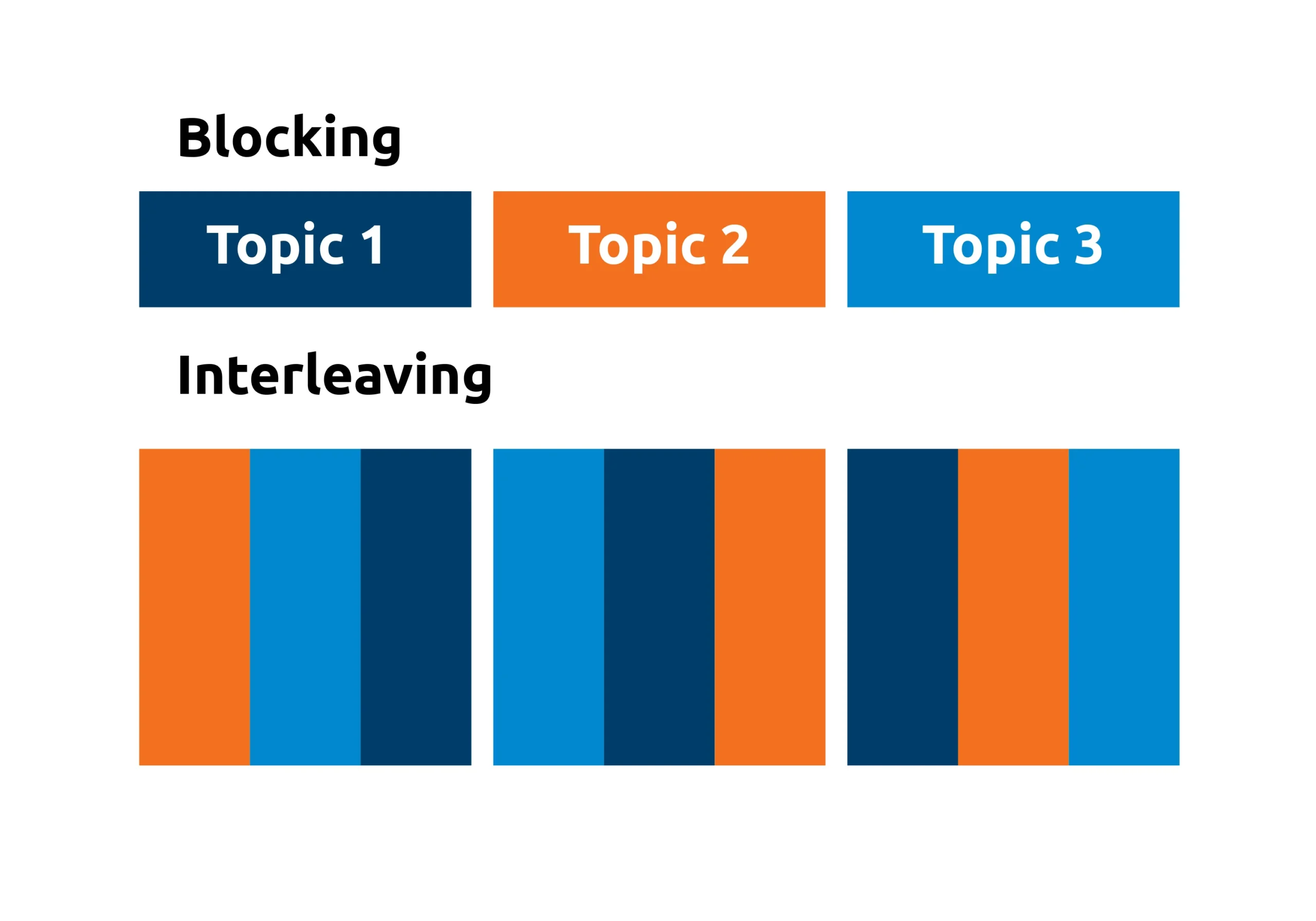
When one learns something new or difficult, they require effort, make mistakes and feel stress, which is the mental equivalent of micro-damage, similar A common method of learning among students is massed practice- the idea of ‘cramming’ a subject a couple of days before an examination. Known as ‘blocked learning’, this method has several problems. It is often difficult to understand and process large amounts of information at once, and even when one memorises multiple concepts, essential details are glossed over. Any learning benefits obtained from this method are forgotten just a few days later.4
Instead of cramming, spacing out the learning of a subject over a longer period enables a person to learn more information and retain it longer. This method also aligns with how our brain learns, strengthening memory pathways and fostering long-term learning.5
Another powerful approach is interleaving- mixing different topics during practice rather than studying one subject at a time. Interleaving has been shown to improve long-term retention and transfer of learned knowledge.
The structure of a typical school week, with students practising multiple subjects, incorporates the idea of interleaving. Vinoba supplements classroom learning by conducting regular assessment tests throughout the academic year and providing teachers with practice tests on various subjects they can use to ensure their students have the spaced practice they need.
Feedback: The Learning Accelerator
Feedback is a key part of learning. When one exercises with the wrong posture, they become worse, not better. Practice must be coupled with feedback that communicates a student’s performance within fixed parameters and how they can better meet them. This kind of feedback is called ‘formative feedback’, and it allows students to understand what they have already mastered as well as specific areas that they can improve.
The feedback given must be timely and ongoing. A student must understand how their performance on an Interim test was before their final examination.7It is also crucial for feedback to address what is done well and the methods to correct the areas that need improvement.
Feedback has a greater impact on primary-age school pupils and on low-performing students. Its effectiveness is also ubiquitous across all subjects.8
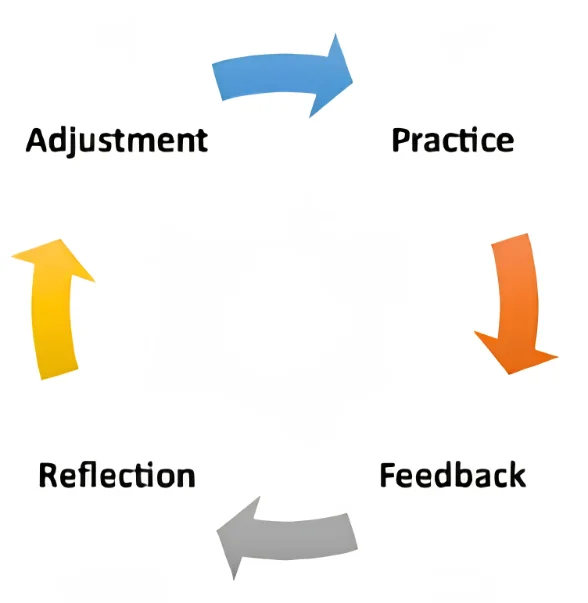
Vinoba adheres to this principle by providing detailed feedback on the tests that it conducts. In select districts, Vinoba also provides a combined analysis of a class’s test results, allowing a teacher to focus their efforts on areas where a subject is lacking.
Practising Life Skills
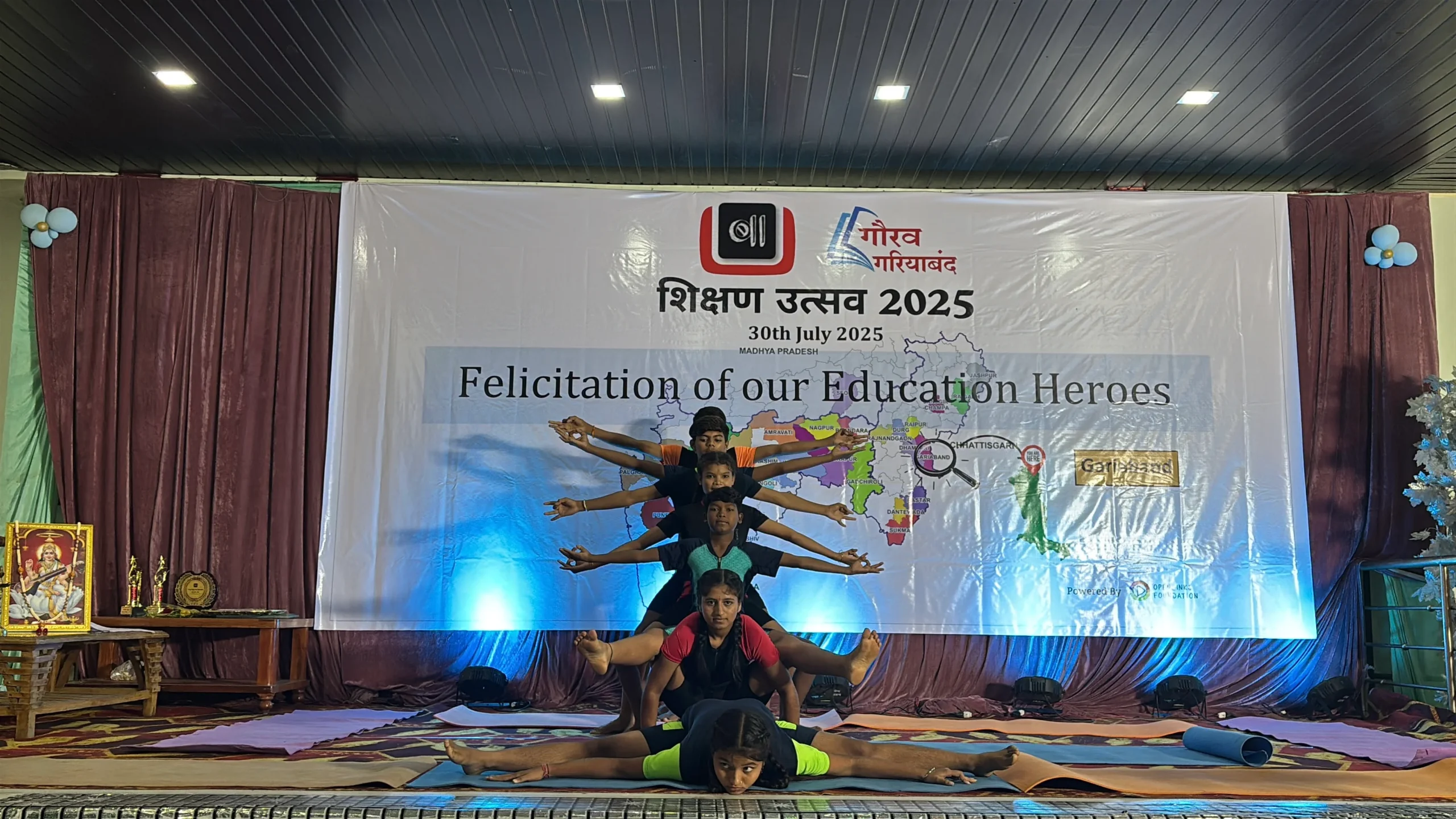
The principle of practice extends far beyond academic subjects. Vinoba organises a number of life skills activities, such as poetry recitation, creative writing, storytelling, and spelling bees, to help students build confidence and become more comfortable using the language they have studied in a more conversational setting. Other activities, such as kitchen gardens and environmental clubs, teach children the essential values that will underscore their lives.
It is crucial that these activities also be organised on a regular basis, and studies have shown that students participating in regular life skills programs have significantly better self-esteem, coping skills, overall emotional adjustment, and prosocial behaviour.9
Vinoba’s Role in providing practice
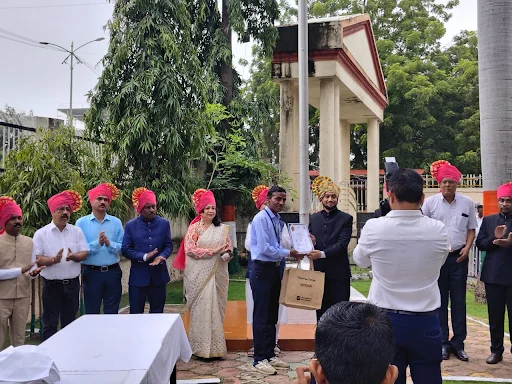
Vinoba conducts a number of academic programs in its districts to support regular practice for students. Since 2024, Vinoba has also provided students with a number of opportunities for practising life skills, and since 2025, conducted in-person programs like Nanhe Sitare,
where finalists in life skills activities like Spoken English, Spelling Bee, Poetry Recitation and Storytelling compete with each other and show off their skills and abilities at the district level.
| Practice for Academic Programs10 | ||||||
| S.
No |
Name of Program | 24-25 | 25-26 | |||
| #Exam
Cycles |
# Students | #Exam
Cycles |
#Students | |||
| 1 | Class 5th and Class 8th practice exams | 16 | 50,000 | 26 | 1,00,000 | |
| 1 | Class 10th Board exams | 40 | 50,170 | 40 | 56,000 | |
| 2 | Class 12th Board exams | 40 | 40,000 | 40 | 47,000 | |
| 3 | FLN11 | 25 | 9,30,000 | 44 | 20,00,000 | |
| 4 | Scholarship exams12 | 48 | 3,42,613 | 45 | 1,48,000 | |
| 5 | JEE-NEET | 1 | 1,585 | 39 | 18,204 | |
| 6 | Others | – | – | 313 | 1,02,000 | |
| Practice for Life skill Programs | |||
| 24-25 | 25-26 | ||
| # Posts | # Posts | ||
| 1 | Poetry Recitation | – | 24,354 |
| 2 | Story Telling | 40,776 | 22,582 |
| 3 | Spoken English | 9,015 | 23,230 |
| 4 | Creative writing | – | 48,077 |
| 5 | Spelling Bee | 3,706 | 31,101 |
| 6 | Nanhe Sitare | – | 14 |
| 7 | Others | 7,086 | 4,318 |